

When former, and the newly elected, President Donald Trump chants “Drill, Baby, Drill,” it’s more than a slogan—it’s a full-on energy policy wrapped in ambition, politics, and a dollop of nostalgia for $1.99-a-gallon gas. But before you grab your drill (or your popcorn), let’s explore the wild, slippery world of oil drilling in America. Spoiler alert: It’s less of a gusher and more of a slow, complicated drip.
Environmental and Legal Shenanigans
First things first: drilling doesn’t happen in a vacuum. Environmentalists have an eagle eye on places like the Arctic National Wildlife Refuge (ANWR), an area so pristine it makes your neighbor’s perfectly trimmed lawn look shabby. Proposals to drill here ignite debates fiercer than family Thanksgiving political discussions. Add to that the lawsuits, protests, and more paperwork than an IRS audit, and you’ve got a recipe for delays.
The Biden administration hit pause on ANWR leases, citing environmental reviews, proving that oil drilling isn’t just a game of fossil fuels—it’s a tug-of-war between politics and policy. Picture two toddlers fighting over a toy. Now replace the toy with an oil rig.
The Refinery Bottleneck: Where Dreams Go to Die
Let’s say, hypothetically, you strike oil in your backyard (congrats, by the way). Here’s the catch: the U.S. refining capacity has been dropping faster than attendance at your cousin’s interpretive dance recitals. Between 2017 and 2022, nine refineries either closed or decided they’d rather dabble in renewable fuels. The result? A loss of 1.2 million barrels per day of processing capacity.
This means that even if more oil gushes out of the ground, there’s a good chance it’ll sit around waiting for its big break, like an extra in a Hollywood blockbuster. Bottlenecks don’t just affect supply; they can also give oil prices a stubborn streak, refusing to budge no matter how much we drill.
Global Oil Markets: The Puppet Masters
Here’s a fun twist: even if America drills its heart out, global oil markets call the shots. OPEC+ (a gang of oil-producing countries that includes the likes of Saudi Arabia and Russia) can cut production faster than you can say “gas station sticker shock.” Their decisions ripple through the market, often overshadowing domestic efforts.
Think of the oil market as a dance floor. The U.S. might be busting out its best moves, but OPEC+ is the DJ deciding the beat. And sometimes, they’re in the mood for slow jams when we’re trying to tango.
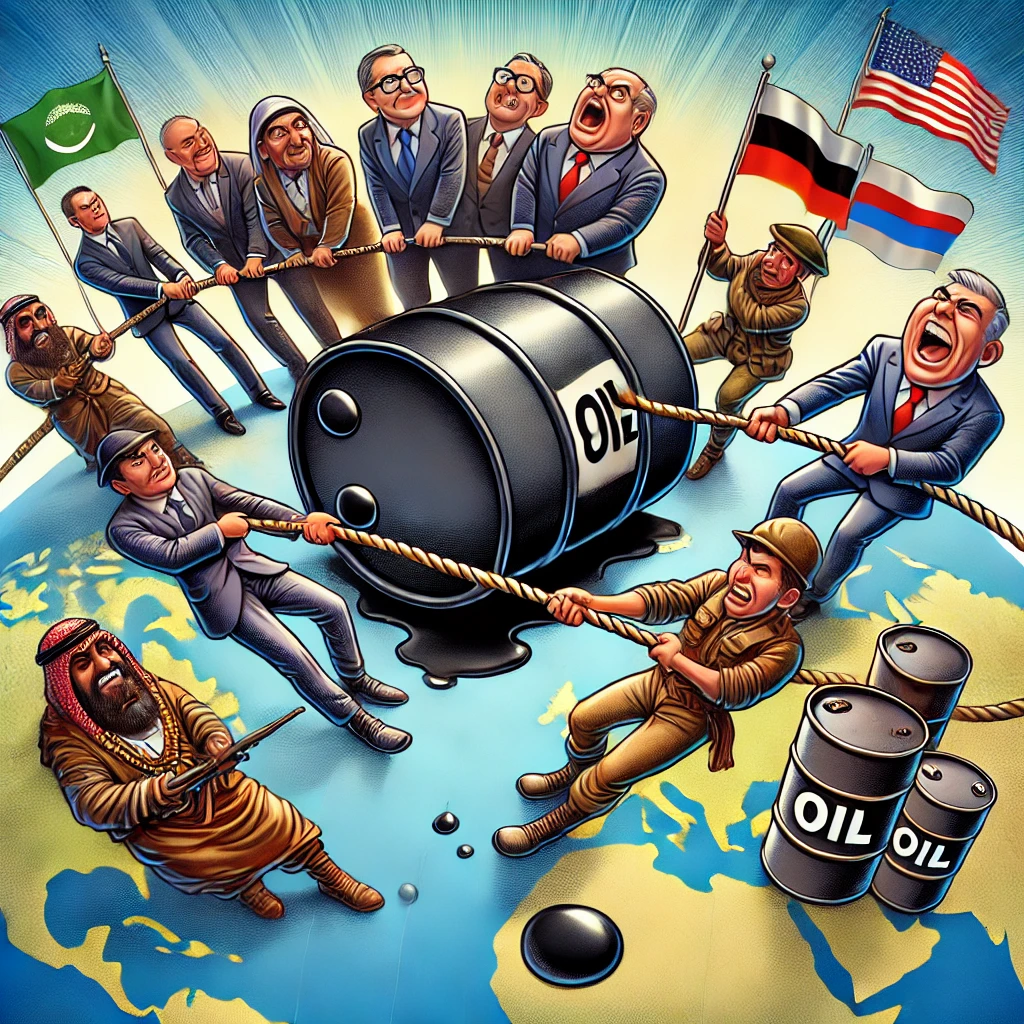
Canada: America’s Friendly Neighbor (With Oil)
Canada plays a pivotal role in America’s energy game. Canadian oil producers, like Suncor and Canadian Natural Resources Limited, have been America’s trusty sidekicks. On the negative side --- increased U.S. drilling could mean less reliance on imports, leaving Canada’s oil industry feeling like the third wheel.
And let’s not forget the Keystone XL pipeline (New segment to the existing pipeline system), which was canceled in 2021. If pipelines were dating profiles, this one would read: “Ambitious, misunderstood, and ghosted by multiple administrations.”
However, ---- the U.S. and Canadian oil and gas sectors are deeply interdependent, providing significant mutual benefits in terms of energy security, economic growth, and market resilience. Canada supplies 60% of U.S. crude oil imports, ensuring a steady and reliable energy source that reduces reliance on politically unstable regions like the Middle East particularly during global disruptions such as the 2020 oil market volatility. This cross-border trade fuels job creation in both nations; for example, U.S. Gulf Coast refineries optimized for Canadian heavy crude sustain thousands of American jobs, while projects like the Trans Mountain Pipeline expansion in 2024 and Keystone XL contribute to economic activity and infrastructure development. These refined pipelines also enhance energy stability, as Canadian imports allow the U.S. to impose sanctions or navigate geopolitical crises without jeopardizing domestic energy needs. Moreover, this compatibility prevents costly refinery reconfigurations in the U.S. and opens avenues for collaboration in clean energy technologies, such as carbon capture and storage (CCS), making North America a leader in sustainable energy. Together, the U.S. and Canada strengthen North American energy independence, insulating both countries from external shocks while fostering economic and environmental advancements.
Are we going to see a game of political oil Monopoly played across North America?
Fuel Prices: The Unpredictable Frenemy
Here’s the million-dollar question (or perhaps the $5-a-gallon one): Will drilling more oil lower fuel prices? The answer is as clear as a muddy oil field. Fuel prices are influenced by a cocktail of factors, including refining capacity, global market dynamics, and the occasional geopolitical drama. Increasing domestic drilling might add more oil to the mix, but without sufficient refining and infrastructure (Between 2017 and 2022, nine US refineries were closed or repurposed, reducing capacity by 1.2 million barrels per day), it’s like trying to fill a bucket with a hole in it.
Moreover, the idea of reviving projects like Keystone XL seems as distant as flying cars. So, while increased drilling might sound like a quick fix, the reality is messier than a middle school cafeteria.
Some Winners, Losers, and Everyone In-Between
If Trump’s plans move forward, some sectors stand to benefit, including:
- Refining Companies: Players like Valero and Marathon Petroleum might see improved margins if domestic crude becomes more abundant.
- Pipeline Giants: Companies such as Kinder Morgan and Enbridge will love the increased demand for transporting crude.
- Drilling Services: Halliburton and Schlumberger, known for their oilfield magic, could see an uptick in business.
But let’s not forget the losers. Oversupply could depress oil prices, making life tough for smaller drilling firms. Another major handicap to oil production are break-even costs. According to Hart Energy ----‘The median breakeven price is $58 per barrel and the minimum required for West Texas Intermediate is $62 per barrel to profitably drill a new well with some older existing wells with a breakeven price of $38 per barrel”. --- highlighting the variability in breakeven costs across different US oil-producing regions and between new and existing wells.
The Politics of Petroleum
Drilling more oil isn’t just about economics; it’s also a political chess game. Advocates argue that it boosts energy independence and creates jobs, while critics point to environmental risks and the urgency of transitioning to renewable energy.
The truth? It’s a little bit of both. Drilling might provide short-term economic gains, but long-term challenges like climate change loom large. It’s the classic case of robbing Peter to pay Paul—except Peter is the environment, and Paul is your wallet.
Closing Thoughts: Drill, Maybe, Drill?
Expanding oil drilling might be a bold move, but it’s far from a silver bullet. The industry’s complexities—ranging from environmental regulations to refining limitations—mean that there are no easy answers. So, whether you’re cheering for more rigs or rooting for renewables, one thing’s clear: energy policy is a marathon, not a sprint.
And as for that backyard oil well? Maybe stick to gardening. It’s a lot less messy.
John Vidas
November 2024